Veterinary Field Units in Afghanistan: Building Sustainable Rural Services
Updated: Jul 24
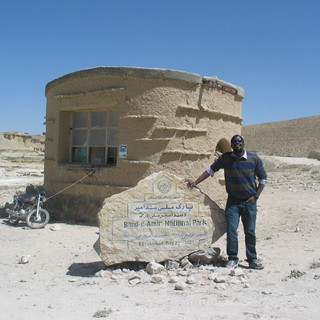
(Originally filmed and produced while serving as Agriculture Development Officer with the United States Agency for International Development (USAID) in Afghanistan.)
During my time with USAID in Afghanistan, I had the opportunity to support efforts aimed at strengthening one of the country’s most important economic sectors: agriculture.
Livestock plays a critical role in the livelihoods of millions of Afghan families. Healthy animals provide food, income, transportation, and financial security, particularly in rural communities where economic opportunities can be limited. Yet for many years, access to veterinary services remained inconsistent, making it difficult for farmers and herders to prevent disease, improve productivity, and protect their livelihoods.

This video highlights USAID’s support to Afghanistan’s nationwide network of Veterinary Field Units (VFUs): small private businesses that provide affordable animal health services directly to rural communities. Established in partnership with Afghanistan’s Ministry of Agriculture, Irrigation and Livestock, these locally owned enterprises offered vaccinations, disease prevention, treatment services, and public awareness campaigns designed to improve livestock health and strengthen agricultural resilience.
What made this initiative particularly compelling was its emphasis on sustainability. Rather than creating a temporary service dependent upon external funding, the program focused on building the capacity of Afghan veterinarians and entrepreneurs to operate viable businesses capable of continuing long after donor support ended. USAID provided training in veterinary services, business management, and marketing while also supplying equipment and tools necessary to establish and expand operations.

The results were significant. By 2011, USAID had supported approximately 450 Veterinary Field Units across Afghanistan. Together, these businesses delivered more than 50 million vaccinations and treatments and generated nearly $13 million in sales of veterinary products and services. Beyond the numbers, the initiative helped strengthen relationships between veterinary professionals, livestock owners, and government institutions while improving the health and productivity of animals throughout the country.
In the video, I discuss the importance of USAID’s partnership with Afghanistan’s Ministry of Agriculture and the role government institutions play in supporting the long-term success of Veterinary Field Units. As I noted at the time, continued collaboration between the Ministry and veterinary practitioners would be essential to ensuring these businesses remained sustainable and responsive to the needs of farmers and herders across Afghanistan.
Looking back, what I find most meaningful about this project is not the infrastructure, equipment, or statistics. It is the emphasis on helping communities build systems that can endure. Throughout my career, whether working in international development, humanitarian response, philanthropy, or education, I have been drawn to efforts that strengthen local capacity, expand opportunity, and create conditions in which people can continue solving problems long after outside support has ended. The Veterinary Field Unit program reflected that philosophy. By investing in people, institutions, and sustainable systems, it helped create a foundation upon which Afghan communities could continue building their own future.
Selected Remarks from the Interview
“These veterinary field units have become important partners in supporting animal health and improving agricultural livelihoods throughout Afghanistan.”
“Our partnership with the Ministry of Agriculture is essential to ensuring these services remain sustainable and continue serving rural communities.”
“The long-term success of these veterinary field units depends upon building strong local capacity and creating businesses that can thrive independently.”
(My remarks for the documentary appear at 10:46 - 11:57 and 17:34 - 18:22)
Access full video (in Dari) via my vimeo page.

Comments