Band-e-Amir National Park: Stewardship, Conservation, and National Pride
Updated: Oct 3
(Interview originally filmed by Sayara International while serving as Agriculture Development Officer with the United States Agency for International Development (USAID) in Afghanistan.)
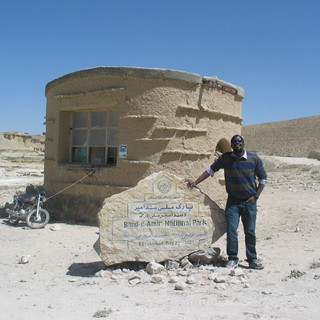
One of the most memorable moments during my time with USAID in Afghanistan was a visit to Band-e-Amir National Park, a place of extraordinary natural beauty and historical significance located in the mountains of Bamyan Province. Established in 2009 as Afghanistan’s first national park, Band-e-Amir is renowned for its series of striking deep-blue lakes formed by natural travertine dams high in the Hindu Kush Mountains. The park represents one of Afghanistan’s most important natural treasures and serves as a powerful reminder of the country’s rich environmental and cultural heritage.

This interview, conducted in Dari, highlights efforts to protect and promote Band-e-Amir while increasing awareness of the important role conservation can play in supporting local communities and future generations.
At first glance, a national park may seem far removed from economic development. Yet conservation and development are often deeply interconnected. Healthy natural systems support tourism, livelihoods, biodiversity, cultural preservation, and community resilience. When managed thoughtfully, protected areas can create opportunities for local economic growth while ensuring that future generations continue to benefit from the same resources and landscapes.
These ideas were particularly important during my tenure in Afghanistan, where decades of conflict had strained institutions and diverted attention from environmental protection. The creation of Band-e-Amir National Park represented a significant milestone, not only for conservation but also for national pride, civic stewardship, and long-term planning. The park demonstrated that protecting natural resources is not a luxury reserved for wealthy nations; it is an investment in a country’s future.
In the interview, I discuss the importance of partnerships among government institutions, local communities, and development organizations in supporting conservation efforts. Sustainable management of natural resources depends upon community engagement, public awareness, local ownership, and a shared commitment to preserving what is valuable for future generations, all of which goes beyond regulations alone.

Looking back, this experience reinforced a lesson that has continued to shape my leadership philosophy. Whether working in environmental conservation, humanitarian response, philanthropy, or education, leadership often involves stewardship. It requires balancing immediate needs with long-term responsibility and ensuring that decisions made today contribute positively to the wellbeing of future communities. Band-e-Amir offered a powerful example of that principle in practice. The park’s breathtaking landscapes may attract visitors, but its deeper significance lies in what it represents: a commitment to preserving something larger than ourselves and passing it on to future generations in a stronger condition than we found it. That lesson remains just as relevant today as it was during my time in Afghanistan.
Selected Remarks from the Interview
“Band-e-Amir is one of Afghanistan’s most important natural treasures and an important source of pride for the Afghan people.”
“Protecting natural resources requires strong partnerships among government institutions, local communities, and development organizations.”
“The long-term success of conservation efforts depends upon local ownership and a shared commitment to stewardship.”
“Investing in places like Band-e-Amir helps preserve opportunities for future generations while supporting communities today.”
(My remarks show up at 7:28, 17:28, and 17:46 during the documentary. Credits: Sayara International )
Access full video (in Dari) via my vimeo page.



Comments